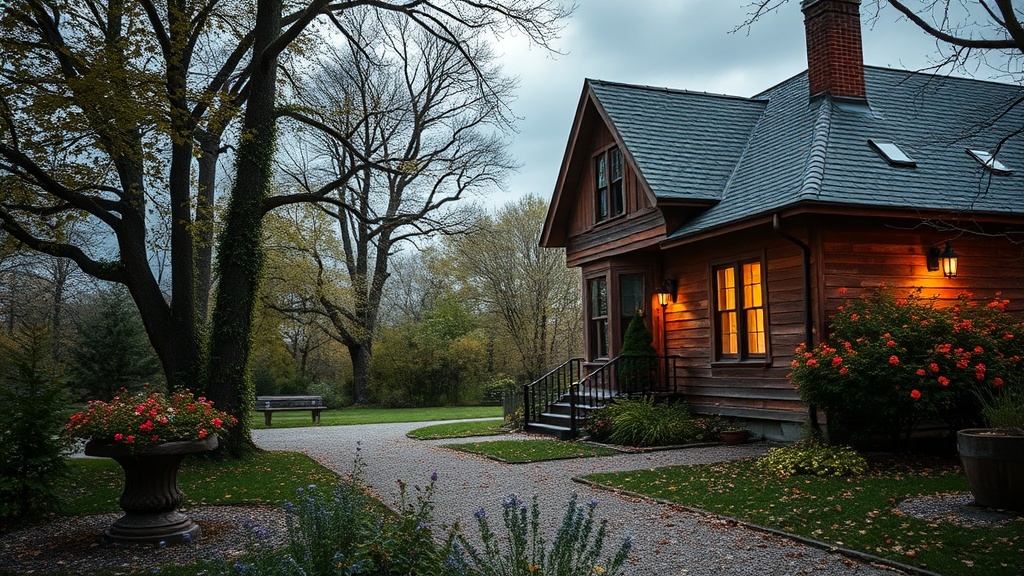
Living with History: A Resident Guide to Heritage Home Care in Old La Prairie

This post examines the specific regulations and community expectations for maintaining heritage properties in Vieux La Prairie. We live in a place where the 17th century meets the modern world, and keeping that balance requires a clear understanding of local bylaws. You'll find details on the PIIA process, available funding for renovations, and the specific materials required to keep our historic district looking its best.
Old La Prairie isn't just a collection of old buildings; it's the heart of our community identity. From the stone foundations on rue Saint-Ignace to the Victorian porches near the waterfront, every detail tells a story of the people who built this town. Because we're part of a recognized heritage site, the City of La Prairie maintains a high standard for any changes made to the exterior of our homes. This ensures that the charm we all love remains intact for future generations.
The history of our neighborhood dates back to the 1660s when the Jesuit mission was first established here. Since then, La Prairie has seen many changes—from the arrival of the first railway in British North America in 1836 to the preservation efforts of the late 20th century. This long history means that our homes aren't all built in the same way. We have examples of the simple, sturdy French Regime style sitting right next to more ornate houses from the late 1800s. Understanding these differences is the first step in any successful renovation project (and it helps us appreciate the work of those who came before us).
What are the specific rules for renovating a home in Old La Prairie?
The main framework we live with is the Plan d’implantation et d’intégration architecturale, or PIIA. This plan covers almost every visible part of a property in the old sector. If you want to change your front door, replace a window, or even change the color of your trim, you need to go through this process. It starts with an application at the Service de l'urbanisme, located at 600, boul. Sainte-Élizabeth. The staff there are helpful and can show you which architectural styles match your specific house.
The PIIA isn't meant to stop progress but to guide it. For instance, if you own a French Regime stone house, the rules will favor wood-framed windows with small panes. If your home is from the industrial era, the requirements might be different. Consistency is the top priority. We want our streets to feel cohesive, not like a mismatched collection of modern trends. You should expect to provide photos of the current state of your home and drawings or samples of the materials you plan to use.
When you apply for a permit, you'll need to describe your project in detail. The city workers will look at how your changes affect the view from the street and how they interact with the buildings nearby. This is why it's often better to talk to them before you buy any materials. They can offer advice that might save you time and money. Plus, they have a deep knowledge of the specific bylaws that apply to our corner of Quebec. Working with the city early on makes the whole process much smoother for everyone involved.
Why does the PIIA process matter for our neighborhood's future?
Some might see these rules as a burden, but they're actually a vital protection for our property values. People move to Vieux La Prairie specifically for its historic atmosphere. If we allowed vinyl siding and modern aluminum windows in the heart of the district, that atmosphere would disappear quickly. By following these guidelines, we're collectively investing in the long-term appeal of our neighborhood. It keeps our area unique in the Greater Montreal region.
Beyond the money side of things, it's about respect for our shared history. When we maintain the wood siding on our heritage homes, we're honoring the craftsmen who worked here centuries ago. This process also encourages us to look closer at the history of our own properties. You might find that your house once served as a local shop or housed a family important to the development of La Prairie. The Musée d'archéologie de Roussillon often has resources that can help residents track the history of their lots, which adds a deep sense of belonging to our community life.
Protecting our heritage also supports local tourism and small businesses. When visitors come to walk our streets or visit the Place du Marché, they're looking for that authentic historic feel. A well-preserved neighborhood draws people in, which helps the shops and services we rely on every day. It creates a cycle of pride and investment that benefits everyone who lives here. From the Marché des Jardiniers to the small boutiques in the old town, our local economy is tied to our historic charm.
Where can we find grants for maintaining historic properties in our town?
Maintaining a heritage home can be more expensive than working on a modern one. Luckily, there are programs designed to help us with these costs. The City of La Prairie often partners with provincial authorities to offer renovation grants. These funds are usually aimed at specific types of work, like restoring masonry or replacing non-traditional materials with historically accurate ones. You can find the latest updates on these programs on the official city website.
Provincial support is also available through the Ministère de la Culture et des Communications. They provide resources and sometimes direct funding for buildings that have a high level of heritage significance. It's always a good idea to check the Répertoire du patrimoine culturel du Québec to see how your property is listed. Getting these grants often requires a detailed plan from an architect who understands heritage buildings, so factor that into your timeline. While the paperwork takes time, the financial relief can make a big difference in the quality of your renovation.
Also, keep in mind that some tax credits might apply to your situation. While these change from year to year, staying informed through the city’s newsletters or by visiting the Hôtel de ville can help you catch these opportunities. Every bit of help counts when you're trying to preserve the stone walls or the historic woodwork of a century-old house. We've seen many neighbors successfully use these programs to restore their homes to their former glory.
Selecting the right materials is a big part of any project in Old La Prairie. For roofing, the city strongly prefers 'tôle à la canadienne' or other traditional metal styles. These roofs last much longer than asphalt shingles and fit the local aesthetic perfectly. When it comes to paint, there's a specific palette of historical colors that we're encouraged to use. These earth tones and muted blues or reds are based on the pigments that would've been available in the 18th and 19th centuries.
We also need to think about the smaller details, like hardware and lighting. Modern plastic fixtures look out of place next to the historic stone of the Église Saint-Nom-de-Marie. Choosing wrought iron or copper can really make a difference. Even the way we handle our outdoor spaces—avoiding large paved surfaces in favor of more traditional garden designs—helps maintain the feel of a village within a city. Small choices add up to a big impact on the streetscape.
Masonry is another area where we must be careful. Old stone houses in La Prairie were often built with lime-based mortar, which is softer than modern cement. If you use modern mortar for repairs, it can actually damage the historic stones as they expand and contract with the weather. Finding a mason who specializes in heritage work is important. We have several skilled tradespeople in our region who know exactly how to handle these materials and can ensure your walls stay strong for another hundred years.
Finally, working with the Comité consultatif d'urbanisme (CCU) is a key step for most major projects. This committee is made up of local citizens and experts who review applications before they go to the city council. They meet once a month, so timing your application is important. It's helpful to attend a meeting or speak with a member if you can, just to understand their perspective. They're looking for projects that show a real appreciation for the architectural heritage of La Prairie.
Living in a historic home is a unique experience that comes with a set of shared duties. We're not just owners; we're the current keepers of a legacy that started over 350 years ago. By following the local rules and using the resources available to us, we ensure that Vieux La Prairie remains a jewel of our community. The effort we put into our siding, our windows, and our gardens today will be seen and appreciated by those who live here long after we're gone. We're part of a long line of residents who have called this place home, and our work keeps that line moving forward.